When to dive in Egypt?
From Sinai to isolated reefs in the Deep South, Egypt concentrates an impressive diversity of dives along its Red Sea coastline: coral gardens, drop-offs, wrecks, drift dives, and offshore reefs frequented by both classic reef fauna and rarer pelagic sharks.
When to Dive
Monthly overview of conditions in this destination.
| Jan | Feb | Mar | Apr | May | Jun | Jul | Aug | Sep | Oct | Nov | Dec | |
|---|---|---|---|---|---|---|---|---|---|---|---|---|
| Climate | ☀️ | ☀️ | ☀️ | ☀️ | ☀️ | ☀️ | ☀️ | ☀️ | ☀️ | ☀️ | ☀️ | ☀️ |
| T°C | 20-27 | 21-28 | 23-31 | 27-35 | 30-38 | 33-40 | 35-42 | 35-42 | 32-40 | 29-37 | 25-32 | 21-28 |
| Water temperature | 21-24 | 21-24 | 21-24 | 22-25 | 23-27 | 25-28 | 27-29 | 28-30 | 28-30 | 27-29 | 25-28 | 23-26 |
| Peak of Attendance | ● | ● | ● | ● | ● | |||||||
| Hammerhead sharks | ⭐ | ⭐⭐ | ⭐⭐⭐ | ⭐⭐⭐ | ⭐⭐⭐ | ⭐⭐⭐ | ⭐ | |||||
| Longimanus sharks | ⭐⭐⭐ | ⭐⭐⭐ | ⭐⭐ | ⭐⭐ | ⭐ | ⭐ | ⭐⭐ | ⭐⭐⭐ | ⭐⭐⭐ | ⭐⭐⭐ | ||
| Grey reef sharks | ⭐ | ⭐ | ⭐ | ⭐ | ⭐ | ⭐ | ⭐ | ⭐ | ⭐⭐⭐ | ⭐⭐⭐ | ⭐⭐⭐ | ⭐ |
| Jan | Feb | Mar | Apr | May | Jun | Jul | Aug | Sep | Oct | Nov | Dec | |
|---|---|---|---|---|---|---|---|---|---|---|---|---|
| Climate | ☀️ | ☀️ | ☀️ | ☀️ | ☀️ | ☀️ | ☀️ | ☀️ | ☀️ | ☀️ | ☀️ | ☀️ |
| T°C | 20-27 | 21-28 | 23-31 | 27-35 | 30-38 | 33-40 | 35-42 | 35-42 | 32-40 | 29-37 | 25-32 | 21-28 |
| Water temperature | 21-24 | 21-24 | 21-24 | 22-25 | 23-27 | 25-28 | 27-29 | 28-30 | 28-30 | 27-29 | 25-28 | 23-26 |
| Peak of Attendance | ● | ● | ● | ● | ● | |||||||
| Hammerhead sharks | ⭐ | ⭐⭐ | ⭐⭐⭐ | ⭐⭐⭐ | ⭐⭐⭐ | ⭐⭐⭐ | ⭐ | |||||
| Longimanus sharks | ⭐⭐⭐ | ⭐⭐⭐ | ⭐⭐ | ⭐⭐ | ⭐ | ⭐ | ⭐⭐ | ⭐⭐⭐ | ⭐⭐⭐ | ⭐⭐⭐ | ||
| Grey reef sharks | ⭐ | ⭐ | ⭐ | ⭐ | ⭐ | ⭐ | ⭐ | ⭐ | ⭐⭐⭐ | ⭐⭐⭐ | ⭐⭐⭐ | ⭐ |
Egypt has one of the most developed diving offers in the Red Sea. Its destinations stretch from the southern tip of the Sinai Peninsula to the reefs near the Sudanese border. Sharm el-Cheikh, Dahab, Hurghada, Safaga and Marsa Alam are the main diving bases.
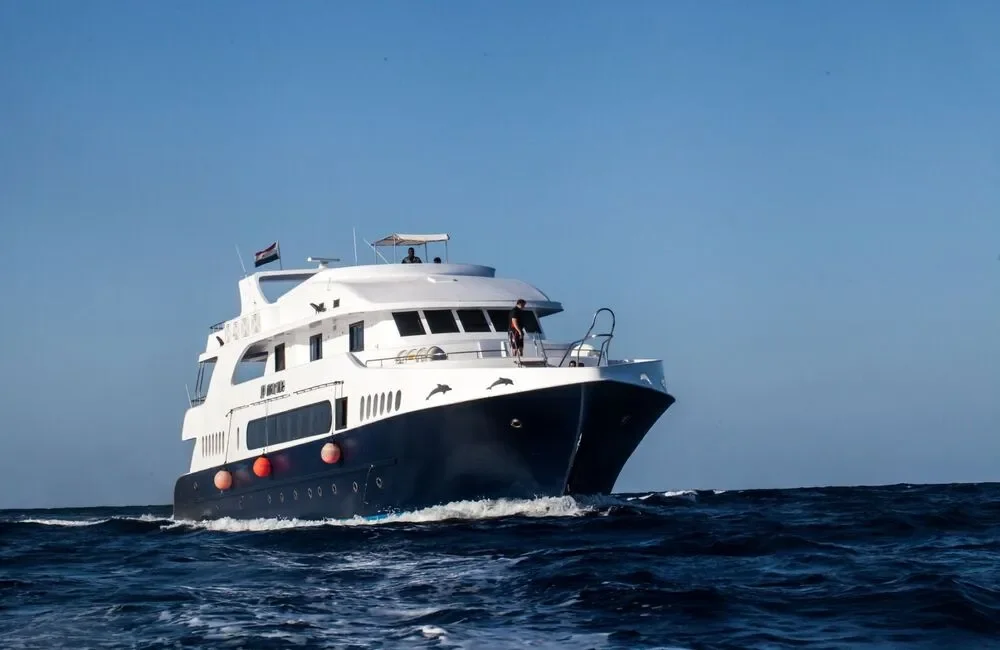
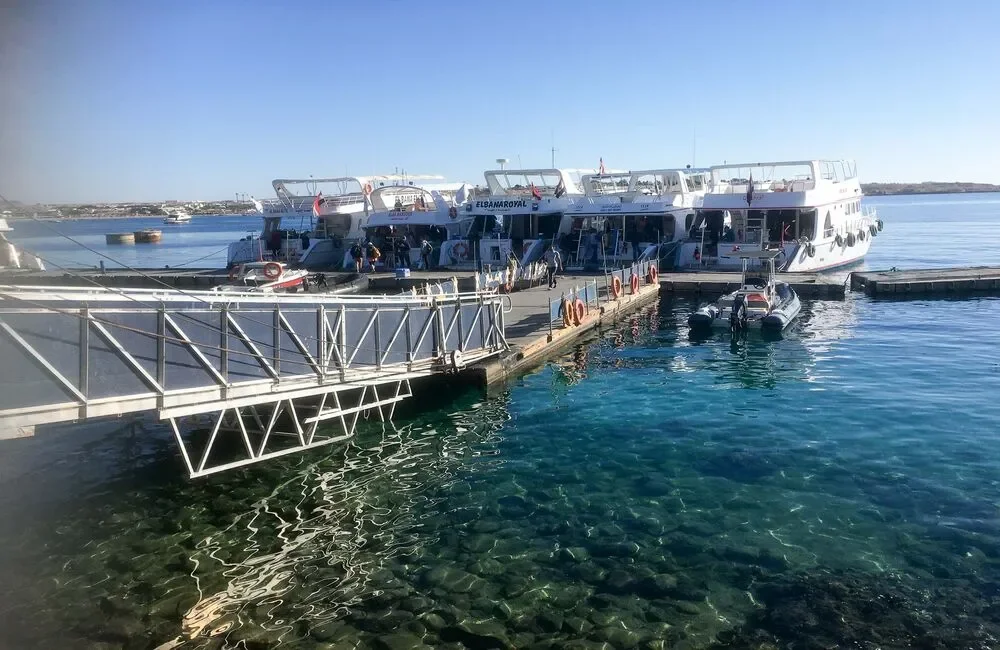
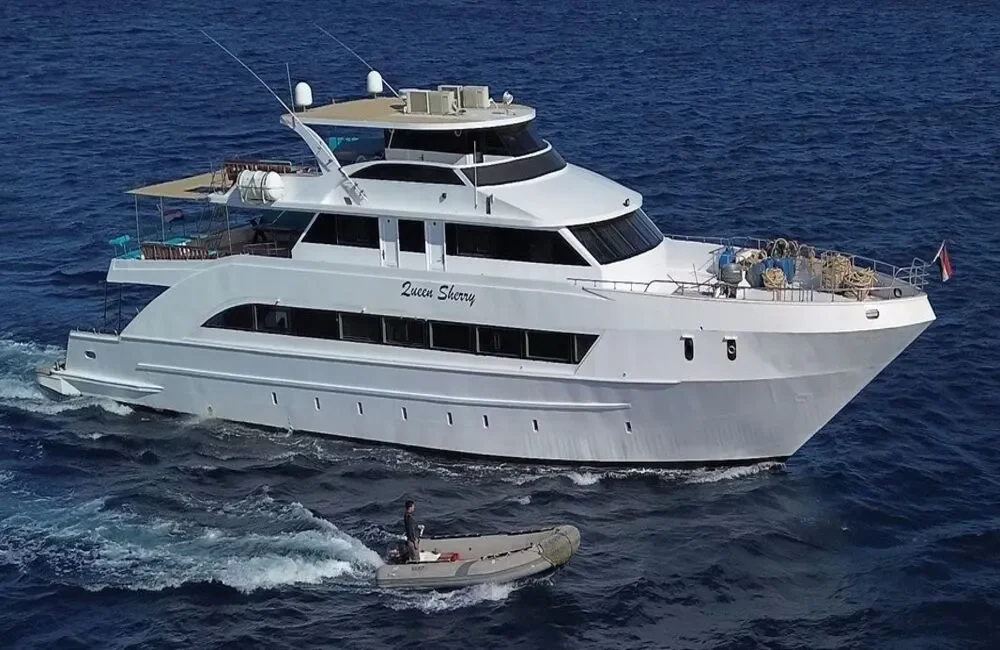
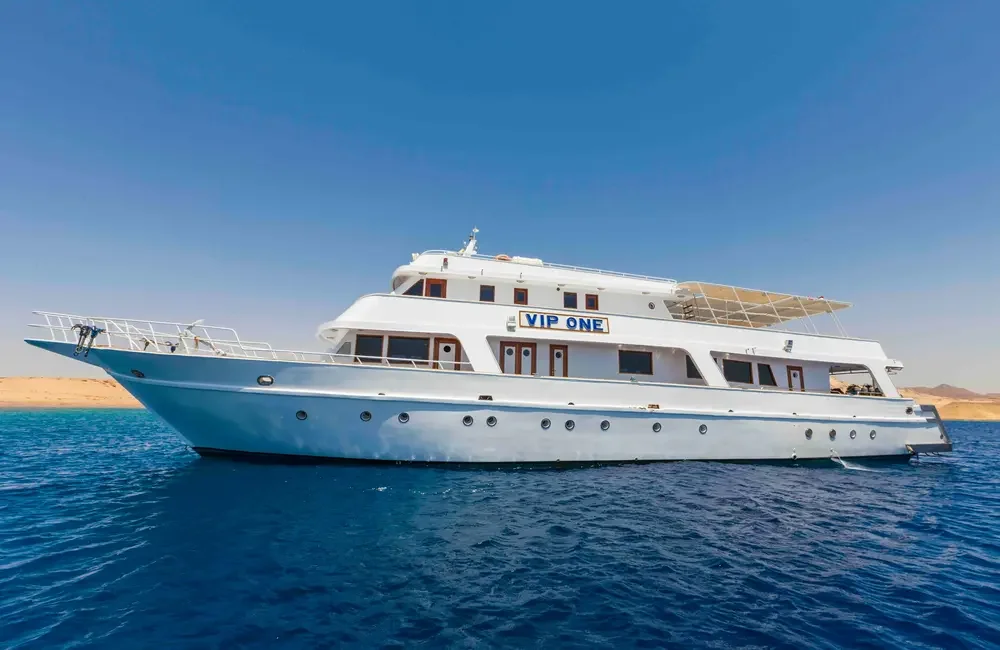
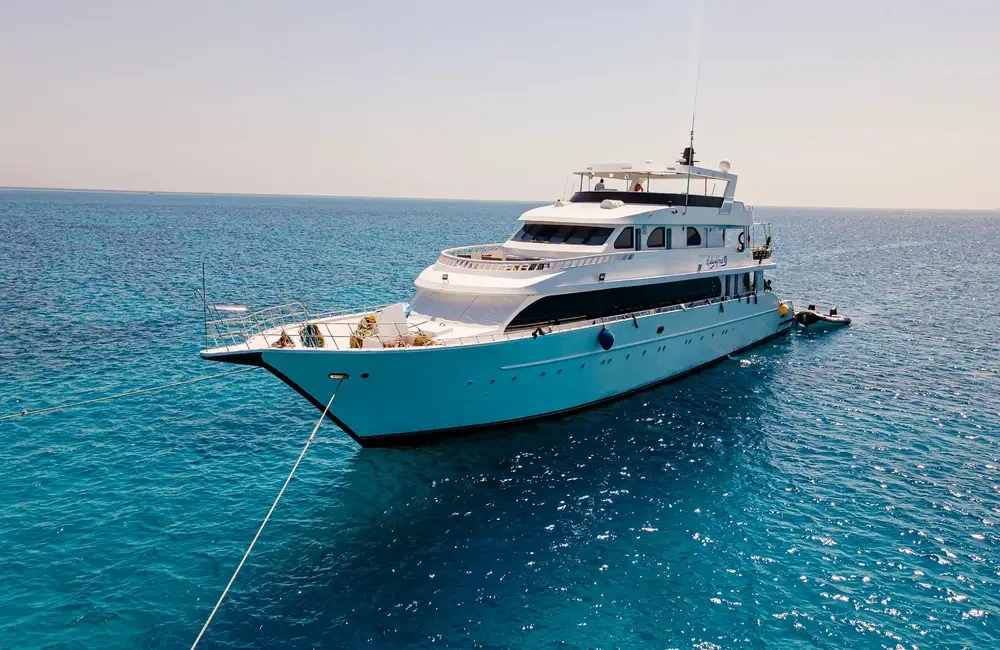
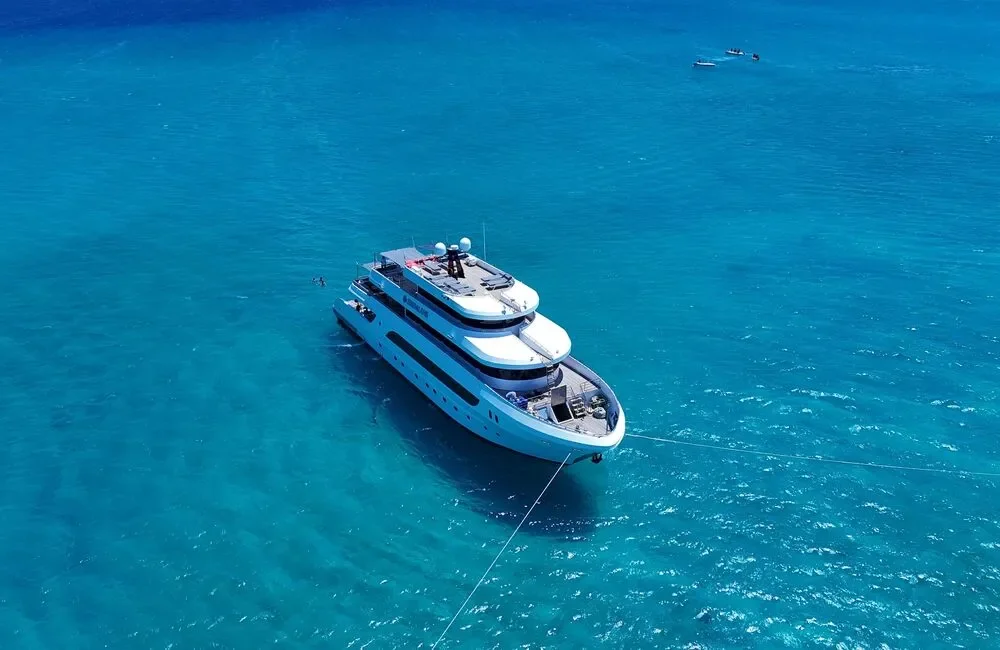
This length of coastline allows for a considerable variation in experiences: shore dives in Dahab or Marsa Alam, boat dives around Sharm el-Cheikh and Hurghada, wrecks in the north of the Red Sea or liveaboard cruises to oceanic reefs like Brothers and Daedalus.
Diving is possible all year round, but the choice of area remains essential. Water temperature, exposure to wind, currents and the presence of certain species are not the same between the different areas of the country.
Climate and seasons
The Egyptian Red Sea coast benefits from a desert climate, hot and very dry, with very little rainfall.
Winter offers pleasant outdoor temperatures, while July and August can become stifling.
Underwater, the differences are less marked but still noticeable. Around Sharm el-Cheikh, the Strait of Tiran and Hurghada, the water generally drops to around 21 to 22 °C during the coolest months and approaches 27 to 28 °C in the summer. Further south and on some offshore reefs, it can reach 29 to 30 °C during the hottest periods.
February is generally one of the months when the water is the coolest, while August and September correspond to the highest temperatures.
For many divers, spring and then September to November offer a good compromise between water temperature and surface comfort. This does not mean that it is systematically the best season. Each season has its advantages and allows for diving throughout the year in Egypt.
Diving conditions
Visibility is one of the major advantages of diving in Egypt. It is often between 20 and 40 meters and can exceed these values when conditions are favorable.
Currents are much more dependent on the site than on the season. Many bays, coastal reefs and coral gardens allow for accessible dives at different levels.
On the other hand, some sites in Ras Mohammed and the Strait of Tiran, as well as the large offshore reefs like Elphinstone, Brothers and Daedalus can present moderate to strong currents.
This diversity allows for Egypt to be considered both for a first experience in the Red Sea and for seeking more technical, deeper or exposed dives.
Marine life and fauna
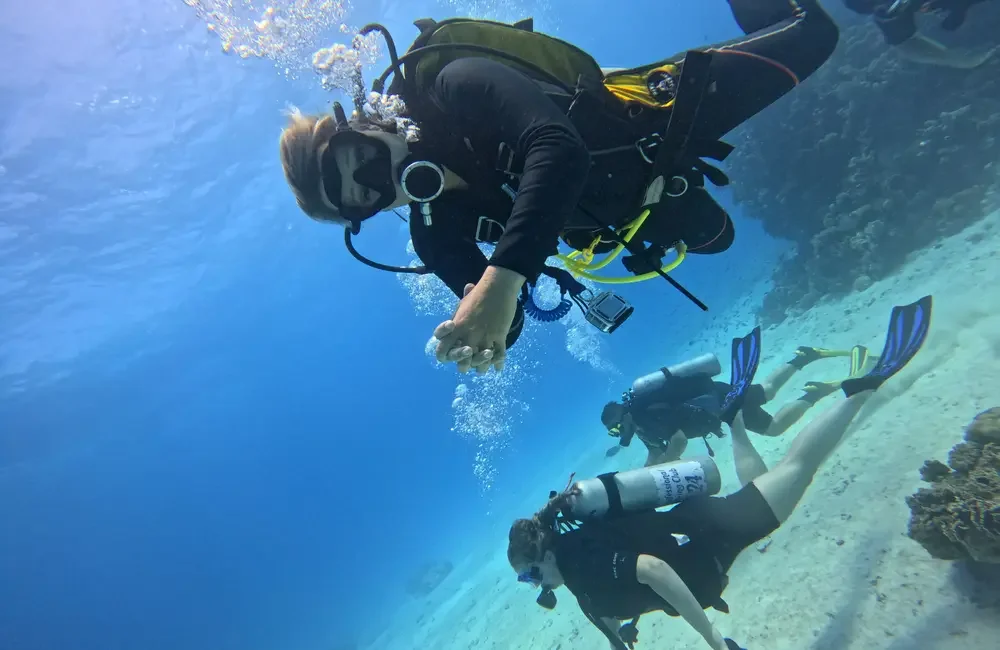
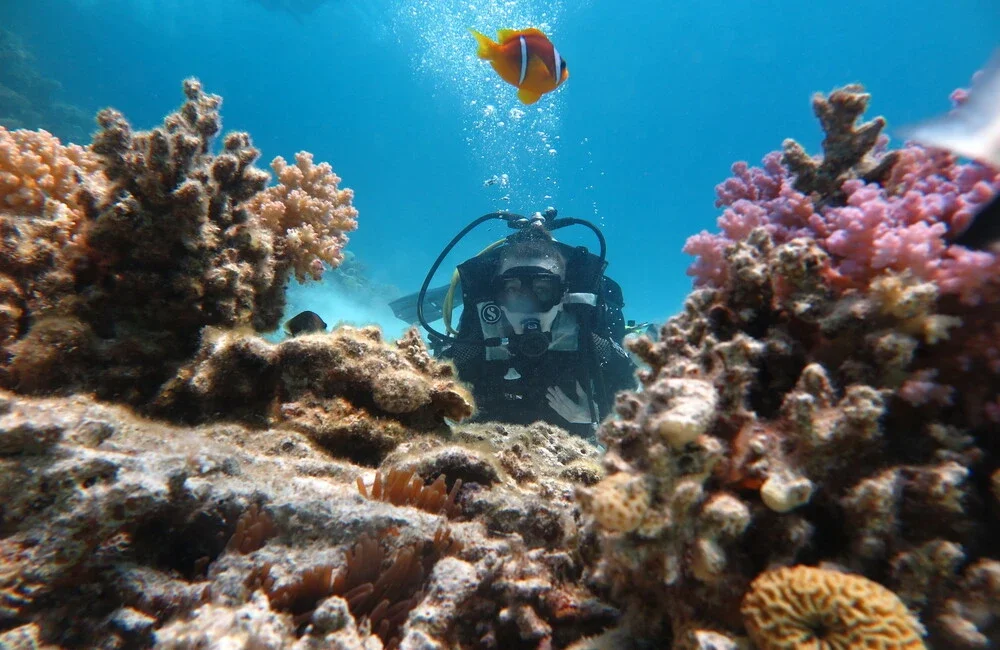
The Egyptian reefs are home to a rich coral fauna all year round: butterflyfish, angelfish, clownfish, moray eels, napoleons, barracudas, carangues, rays and turtles are among the possible encounters depending on the region.
In the south, the seagrass beds of some bays around Marsa Alam offer a very different environment from the oceanic drop-offs. Abu Dabbab is particularly famous for its large green turtles and the possibility of observing dugongs in the shallow seagrass beds. Their presence is well established, but their observation remains random.
Dolphins can also be encountered in several sectors of the south, particularly around Marsa Alam, Fury Shoals and Sataya.
At Ras Mohammed, summer brings a particularly spectacular phenomenon. Shark & Yolanda Reef is known for its large gatherings of trevally, platax, barracudas and other fish, with a particularly remarkable peak in July and August, the famous "fish soup".
Sharks
The offshore reefs of central and southern Egypt are among the most famous areas in the country for shark sightings.
Depending on the sites, it is possible to encounter:
hammerhead sharks;
whale sharks;
reef grey sharks;
thresher sharks.
However, it is essential to avoid seeking a single shark season in Egypt.
At the national scale, the period from June to September is often considered favorable for hammerhead shark sightings. Daedalus is one of the most famous reefs for this species, but observations can vary from year to year, depending on water temperature and oceanic conditions.
For whale sharks, the seasonality varies more depending on the sites. Elphinstone is particularly famous for autumn observations, particularly from September to November. On Brothers, Daedalus or some more southerly itineraries, the observation periods can be wider and different.
For choosing a specific period based on a species, it is therefore preferable to consult specialized guides for the different areas and reefs rather than relying on a single calendar for the entire country.
Where to dive in the Red Sea in Egypt?
The different regions of the Egyptian coast offer experiences that are sufficiently distinct for the choice of area to count almost as much as the choice of season.
Sharm el-Cheikh and Ras Mohammed Consult our Sharm el-Cheikh page
At the southern tip of the Sinai Peninsula, Sharm el-Cheikh provides access to local reefs, Ras Mohammed National Park and the Strait of Tiran.
The region is particularly famous for its drop-offs, drift dives and the large fish gatherings of Ras Mohammed. It also allows access to the SS Thistlegorm, one of the most famous wrecks in the Red Sea.
Dahab Consult our Dahab page
Dahab has a totally different identity, with a large part of the dives organized directly from the shore.
Blue Hole, Canyon, Lighthouse and Eel Garden allow for dives that range from accessible to much deeper or more technical profiles. The destination also attracts freedivers and technical divers.
Hurghada and El Gouna Consult our Hurghada and El Gouna page
Hurghada is one of the main diving bases on the Egyptian coast, with a large number of accessible reefs during day trips by boat.
Coral gardens, relatively accessible reefs and proximity to tourist infrastructure make it a region suitable for many types of divers. Further north, El Gouna also allows access to some areas of the Strait of Gubal and several wrecks.
Safaga and Soma Bay Consult our Safaga and Soma Bay page
South of Hurghada, Safaga and Soma Bay offer a combination of coral gardens, shallow reefs, drop-offs and wrecks.
The region retains a relatively simple logistics from the coast while providing access to more distant and sometimes more exposed sites. It thus constitutes an interesting transition between the large northern stations and the more southerly regions.
Marsa Alam and Port Ghalib Consult our Marsa Alam page
Further south, Marsa Alam combines protected bays, seagrass beds, coastal reefs and more challenging dives.
Abu Dabbab is particularly famous for its turtles and the possibility of observing dugongs, while Elphinstone offers deep drop-offs, stronger currents and possible encounters with several shark species.
Marsa Alam and Port Ghalib also serve as departure points for various liveaboard cruises to offshore reefs and the southern Red Sea.
Brothers, Daedalus and Elphinstone Consult our BDE page
The famous BDE : Brothers, Daedalus and Elphinstone regroup three major sites of Egyptian liveaboards.
Brothers and Daedalus are isolated reefs accessible by liveaboard, with deep drop-offs, currents and encounters with large pelagic species. Elphinstone is much closer to the coast and can be dived by liveaboard or during day trips from the Marsa Alam region.
These dives are generally more challenging than coastal reefs and are more suited to experienced divers and those comfortable with currents.
Hamata, Fury Shoals and the Deep South Consult our Deep South page
South of Marsa Alam, the infrastructure becomes progressively less numerous and the diving areas more isolated.
Hamata and Wadi Lahami provide access to the Fury Shoals, a vast ensemble of reefs, pinnacles and coral lagoons.
Further south, liveaboard itineraries reach St John’s, Rocky Island and Zabargad. We then enter a wild Red Sea, more focused on liveaboards, isolated reefs and that thrilling feeling of being on an expedition.
FAQ
What is the best time to dive in Egypt?
The best time is obviously when you go! Point blank, because as long as you're not there, it's always less good.
More seriously, there is no ideal time for all divers. Spring and autumn generally offer a very good compromise between water temperature and outdoor comfort. Summer brings the warmest water and can be particularly interesting for some large pelagic species, while winter allows for cooler temperatures on land.
The best month depends mainly on the region and what you want to see.
Where to dive in Egypt to see sharks?
Brothers, Daedalus and Elphinstone are among the most famous Egyptian reefs for shark sightings.
However, the choice of site must be associated with the season and the species sought: hammerhead sharks, whale sharks or thresher sharks do not have the same periods or preferred locations.
North or South Egypt: which to choose for diving?
The north offers Sharm el-Cheikh, Dahab, Ras Mohammed, Tiran and many wrecks. It therefore allows for easily combining reefs, drop-offs and historical dives.
The south, around Marsa Alam and Hamata, allows for more orientation towards less urbanized areas, large offshore reefs, liveaboards and some pelagic encounters.
However, there is no real boundary between "easy diving in the north" and "difficult diving in the south": the required level depends mainly on the chosen site.
Where to dive in Egypt for beginners?
Hurghada, Sharm el-Cheikh, Dahab, Safaga and Marsa Alam all have sites suitable for beginner divers. The best solution is still to ask the center you are going to. They will have the best expertise and be able to advise you based on your level and preferences.
Should you choose a land-based stay or a liveaboard dive in Egypt?
These are two quite different ways to discover the Red Sea, and the choice depends mainly on the sites you want to explore and how you like to dive.
A land-based stay allows for exploring a region like Sharm el-Cheikh, Hurghada or Marsa Alam, with more freedom over the pace of the dives and the possibility of easily combining diving and land exploration. Attention, in Egypt, land-based stay can also mean an intense diving schedule!
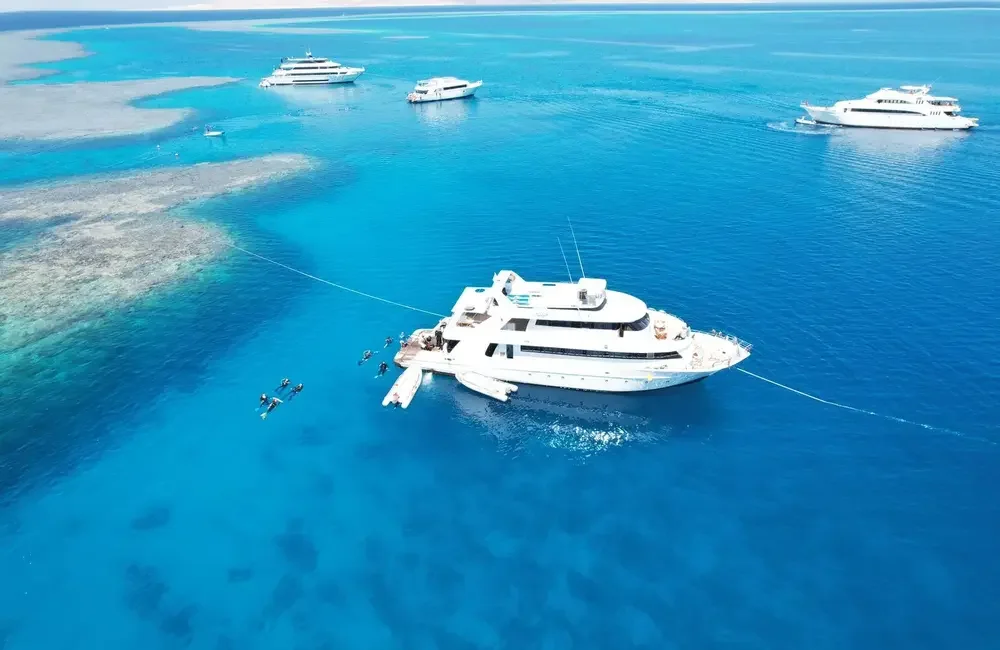
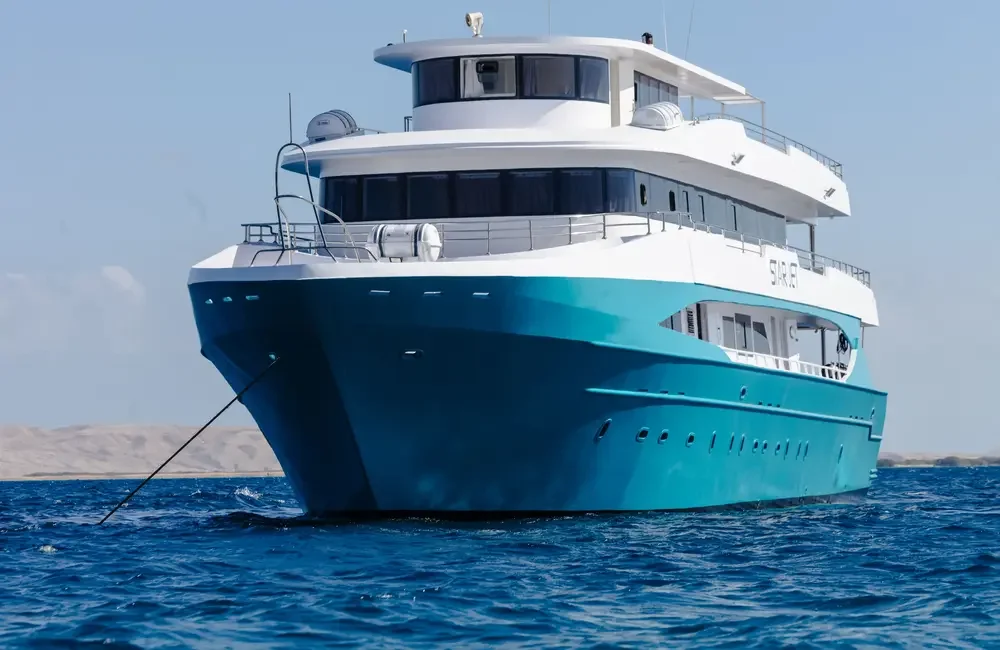
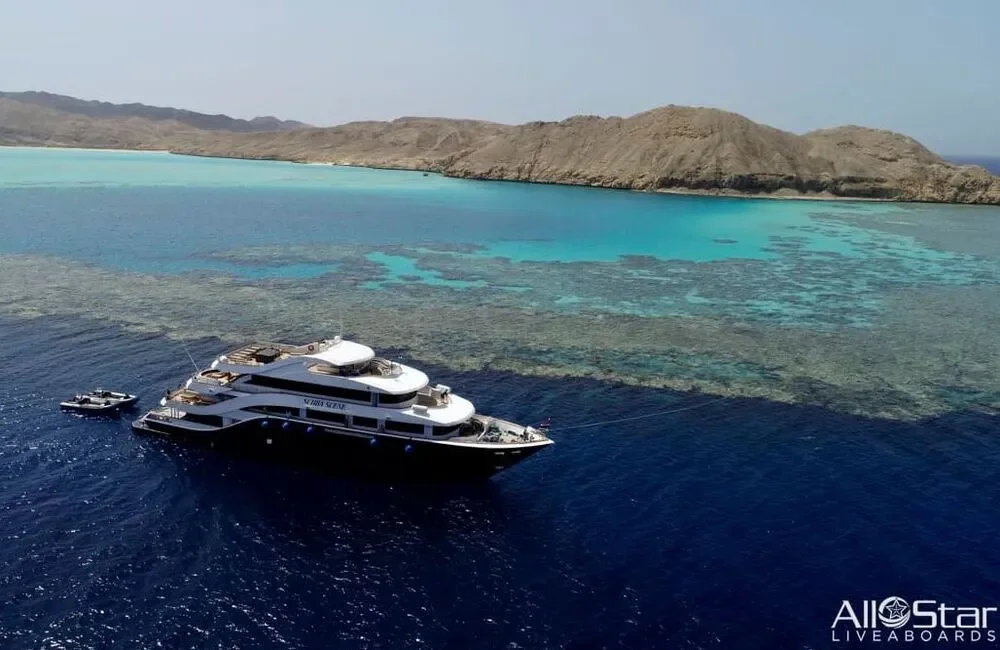
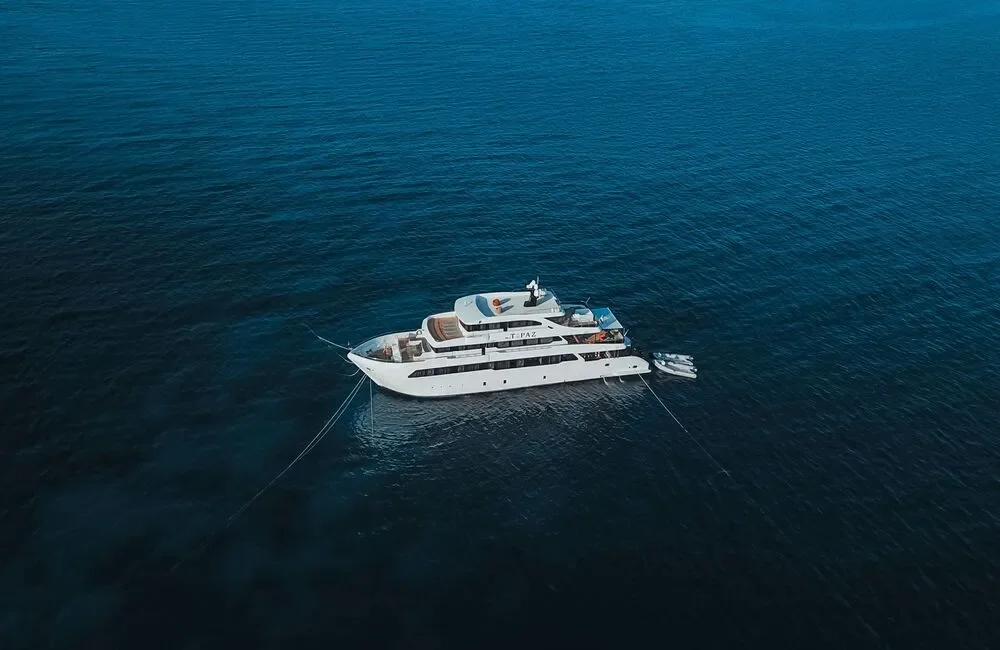
The liveaboard offers a much more immersive experience in diving, an organization centered around the boat and above all access to isolated reefs like Brothers, Daedalus or some itineraries in the Deep South, difficult or impossible to reach from the coast.
There is therefore no real better choice: it all depends on the sought-after sites, the desired pace and the type of supervision that suits you. And then the simplest solution remains to try one on the first trip... and come back to try the other on the next one!
Partner dive centers in this destination
+ List my centerBook directly with our verified dive centers.